

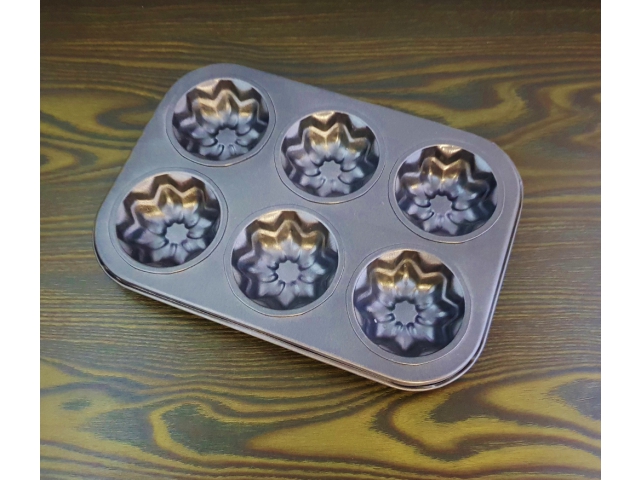
Well-selected baking molds shape more than just dough. They influence texture, baking time, crust formation and the final presentation on the table. Whether you bake occasionally for family gatherings or prepare desserts in larger batches, understanding the types of baking pans and materials available makes everyday work in the kitchen easier and more predictable.
Below you’ll find practical guidance on how to choose cake molds and build a functional set of kitchen bakeware essentials.
Types of Baking Pans and What They’re Best For
Before comparing materials, it’s worth reviewing the most common types of baking pans used in home kitchens. Each form serves a specific purpose and supports different recipes.
Round tins remain the go-to option for layered sponge cakes and cheesecakes. Adjustable cake rings help when recipes vary in diameter and height. Loaf pans support bread, pound cake and pâté. Bundt forms create decorative shapes without complicated decorating. Muffin trays allow quick portioning and even baking.
When comparing cake molds for home baking, consider:
-
depth and diameter in relation to your oven size,
-
recipe requirements and batter density,
-
whether you plan to slice, layer or decorate the cake.
A thoughtful mix of classic trays and specialty molds expands your possibilities without overcrowding kitchen cabinets.
Silicone Baking Molds vs. Metal – What’s the Difference?
Material has a direct impact on baking performance. Silicone baking molds gained popularity thanks to flexibility and ease of releasing baked goods. They work well for muffins, mini cakes and intricate shapes such as flowers or themed designs.
Metal pans, especially aluminum, conduct heat faster. They promote browning and crisp edges, which benefits sponge cakes, brownies and bread. Silicone distributes heat more gently and often requires slightly longer baking time.
When deciding between materials, reflect on:
-
desired crust and texture,
-
ease of cleaning and storage,
-
frequency of use.
Many experienced bakers combine both options. A sturdy aluminum baking tray for classic cakes and a few silicone baking molds for creative forms cover most everyday needs.
How to Choose Cake Molds for Different Occasions?
The best baking molds are not necessarily the most decorative ones. Function should always come first. For layered celebration cakes, adjustable rings and smooth round tins simplify cutting and assembling. For themed parties, shaped trays such as castles or crowns create visual impact without advanced decorating skills.
If you often bake bread or baguettes, dedicated bread molds or perforated forms improve airflow and crust formation. Fans of small desserts appreciate mini silicone sets that allow preparing multiple portions in one batch.
When reviewing your options, ask yourself:
-
Do I bake more sweet or savory dishes?
-
Do I need portion control for events or catering?
-
How much storage space is available?
Answers to these questions narrow the selection and prevent unnecessary purchases.
Building Practical Kitchen Bakeware Essentials
A well-organized kitchen does not require dozens of trays. Instead, focus on versatile pieces that handle different recipes. A rectangular baking tray, a round cake pan, a loaf mold and a silicone muffin tray already form a reliable base.
At Eurobatt’s Baking category, you’ll find affordable baking molds, silicone baking molds, adjustable cake forms and decorating tools suitable for beginners and professionals.
Explore the collection, compare shapes and materials, and choose solutions that match your baking style. The right molds make every recipe easier to execute and help turn everyday baking into a satisfying routine.